

Blog
Indoor glove – left, right or both, and how it differs from an outdoor one

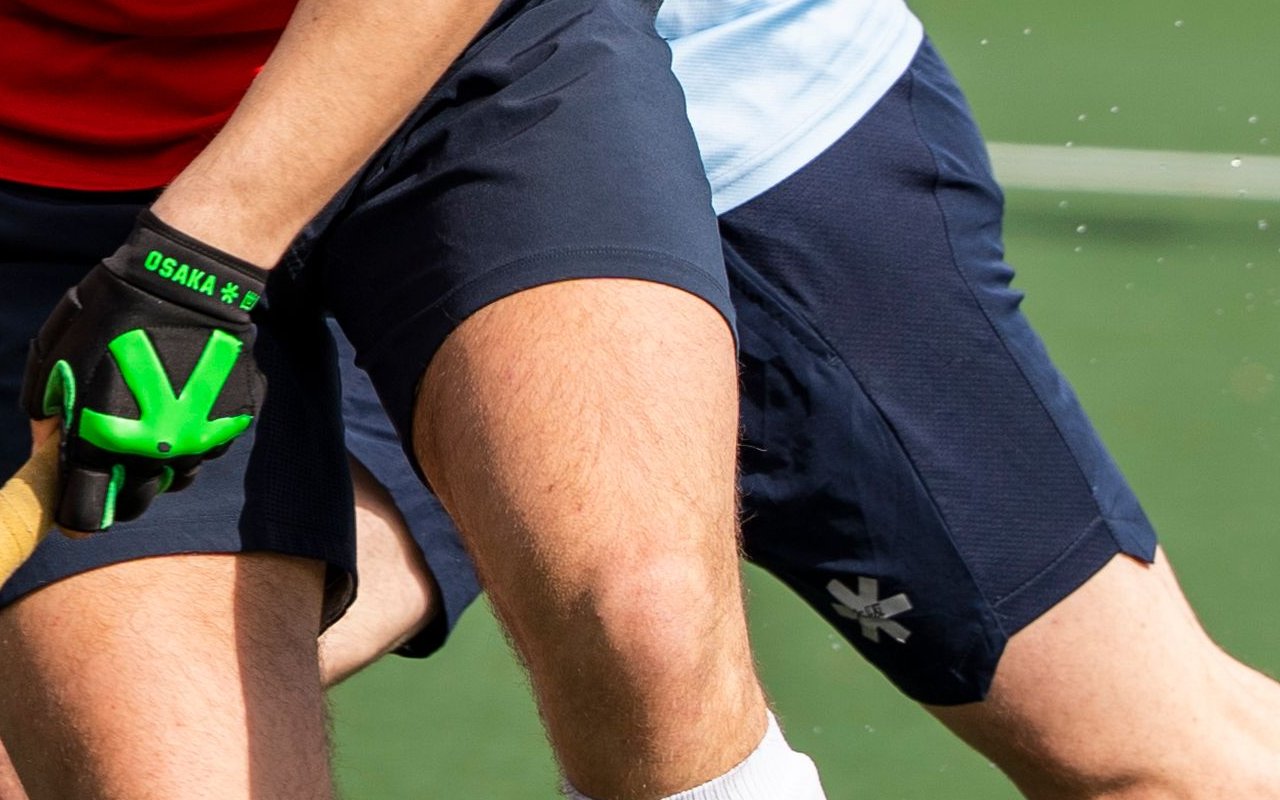
Anyone who comes to an indoor training session for the first time quickly sees that the game is played right at floor level, and players’ left hands keep gliding just above the court. That is why indoors it is not only defenders who wear a glove on the left hand. Below we explain why it is the left hand that gets protected, when a glove on the right hand makes sense too, how an indoor model differs from an outdoor one, what the FIH rules say about hand protection, and how to choose and look after the glove.
Why the left hand
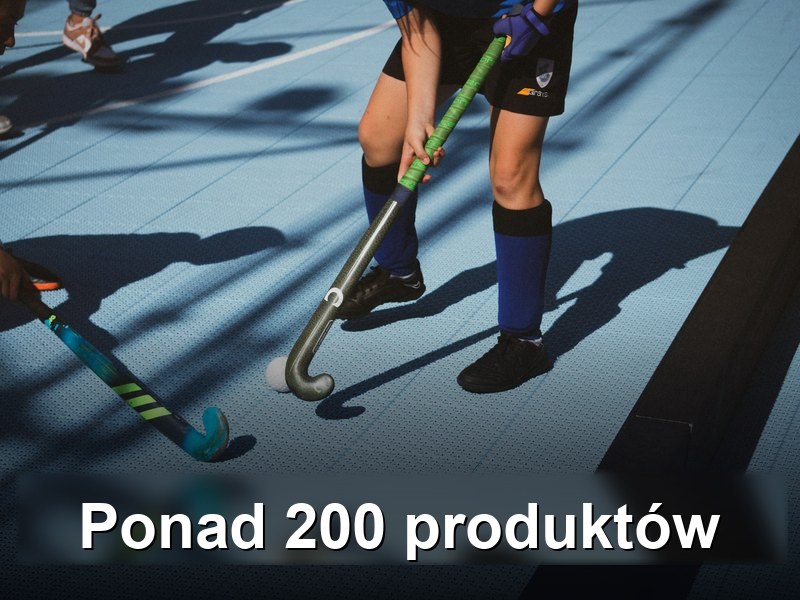
The FIH rules specify a flat left side of the stick head; they do not provide for a mirrored version for left-handed players. In the standard grip, the left hand holds the top of the handle and turns the stick, while the right hand holds lower down and steadies it. Indoors the ball must not be hit, so the game is played low. When tackling and blocking the stick often lies flat on the court, and the knuckles of the left hand are then just above the floor, close to the ball and opponents’ sticks.
The indoor rules forbid field players from playing the ball with a knee, arm or hand on the floor, other than the hand holding the stick. Contact between that hand and the court is therefore part of the game, not an offence, and that is the hand the glove protects from scrapes. What injuries happen indoors and how to reduce the risk, we described in the post on injuries in indoor hockey.
Left, right or both
Indoor gloves are available as individual models for the left or right hand; check the hand designation when choosing one. Some players, however, wear a second glove on the right hand. The reasons vary:
- Defending a penalty corner – the right hand holds the stick low, in the line of the shot, and the rules also allow hand protection for defending a penalty corner.
- Junior – a young player is still learning stick control in a tight crowd by the boards, where accidental impacts to the fingers can occur.
- Return after injury – when protection for the right hand is recommended by a doctor or physiotherapist.
A second glove can change the feel of the stick in the right hand, which slides along the handle when receiving and passing. Try it in training first, not in a match. The FIH rules do not require a glove on either hand, so it is a decision for the player and the coach, unless the competition regulations say otherwise.
How an indoor glove differs from an outdoor one
Outdoors the hand needs protecting from a hard ball after a hit and from an opponent’s stick. Indoors there are no hits, but contact with the court and the boards comes in during low dribbling. So manufacturers design the two types for different risks. The differences below are tendencies visible in manufacturers’ descriptions, not a rule for every model.
| Feature | Outdoor model | Indoor model |
|---|---|---|
| Main protection | knuckles and back of the hand against ball and stick | back of the hand and fingers on the side facing the floor and opponents’ sticks |
| Fingers | from thin foam to hard panels | on some models protection reaching the fingertips, useful with the stick laid flat |
| Palm | from a thin layer to an open palm | thin or open, to keep the feel of the stick |
Nothing forbids an outdoor glove indoors, but a design made for grass does not always protect the spots that touch the floor on the court. Types of outdoor gloves and how to choose them, we described in the post rękawica polowa – kiedy potrzebna i jak ją dobrać. Models intended for indoors appear in the catalogues of TK and Osaka, among others, and outdoor gloves also in those of Grays, Gryphon and Kookaburra. The word “indoor” in the name only tells you what the manufacturer designed the model for. You will judge protection and fit only on your hand.
What the FIH rules say
The FIH Rules of Indoor Hockey allow field players to wear hand protection that does not significantly increase the natural size of the hands. Any such protection, both for normal play and for defending a penalty corner, must fit comfortably, without compressing it, into an open-ended box with internal dimensions of 290 mm long, 180 mm wide and 110 mm high. The edition of the indoor rules effective internationally from 1 November 2026 contains the same provision. The FIH rules do not make hand protection compulsory. Whether a glove is compulsory in a given league or tournament, check in the regulations of that competition.
How to choose the size
Manufacturers give sizes in their own charts and measure the hand in different ways. So compare your measurement with the chart for the specific model, not with your glove size from another brand. When trying one on:
- Bring your own stick with the grip you use, because a thick grip changes the hold.
- Lay the stick flat as in a tackle at floor level: the protection should stay on the knuckles and fingers, not slide to the side.
- Clench and relax your grip a few times: the glove should not pinch where the fingers bend or block the stick turning in the left hand.
- Fasten the Velcro at the wrist: it should hold the glove without squeezing the hand.
Care
A glove soaks up sweat at every session. After training take it out of the bag, undo the Velcro and leave it to dry at room temperature, not on a radiator or under a hairdryer. Wash it only as the manufacturer’s label allows. Every few weeks check:
- the foam and panels on the back of the hand and the fingers – no cracks or wear holes,
- the stitching at the fingertips, which rubs against the court indoors,
- the palm – no holes where you hold the handle,
- the Velcro – clean and holding along its full length.
You will find a full checklist for the whole kit in the pre-indoor-season kit check. If the check showed worn-through foam or the glove never sat right on your hand, compare the available models and their size charts in the gloves category.