

Guides
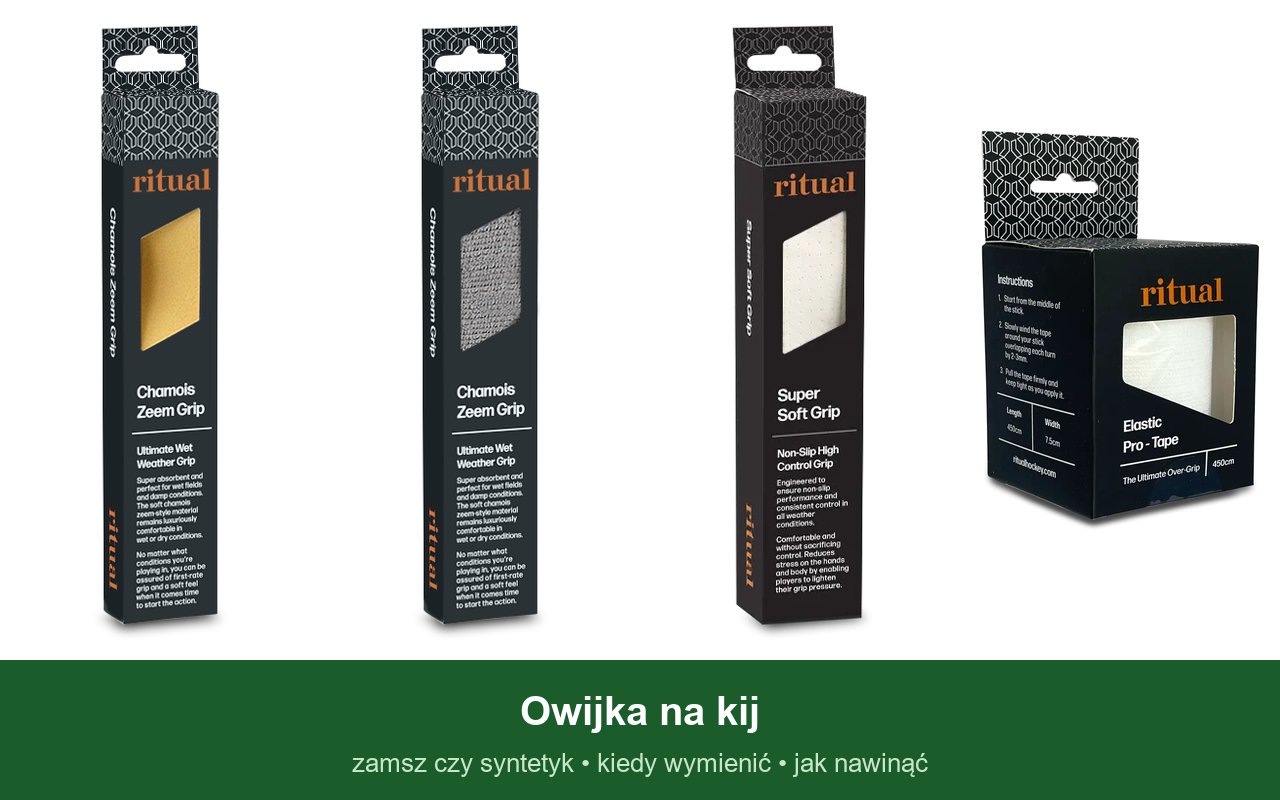
Stick grip – chamois or synthetic, when to replace it and how to wrap it

Chamois or synthetic, how to spot a worn grip and how to wrap a new one the way the manufacturer recommends so it does not slide – a practical guide.
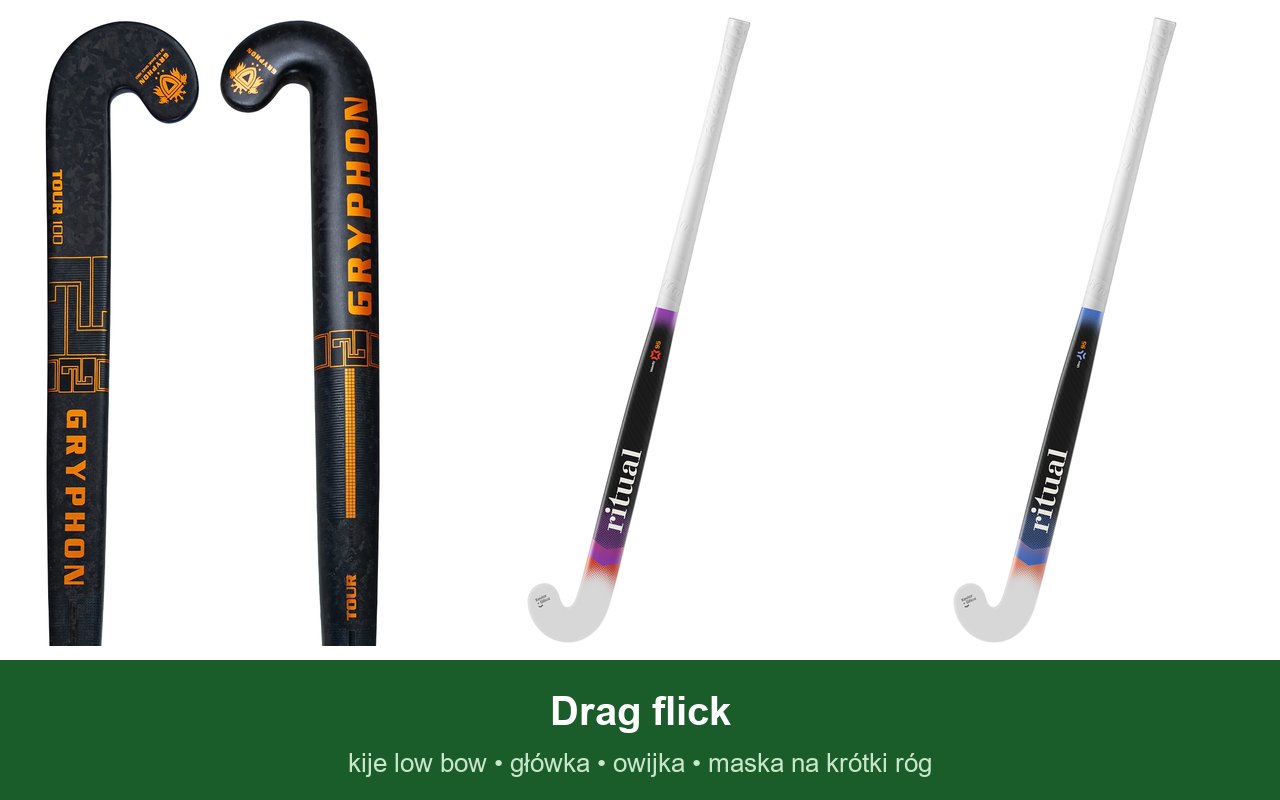
The drag flick – what it is and which gear makes it easier
The penalty corner drag flick: how it works, what the rules say about the height of the first shot, why a low bow stick helps and how to defend against it.
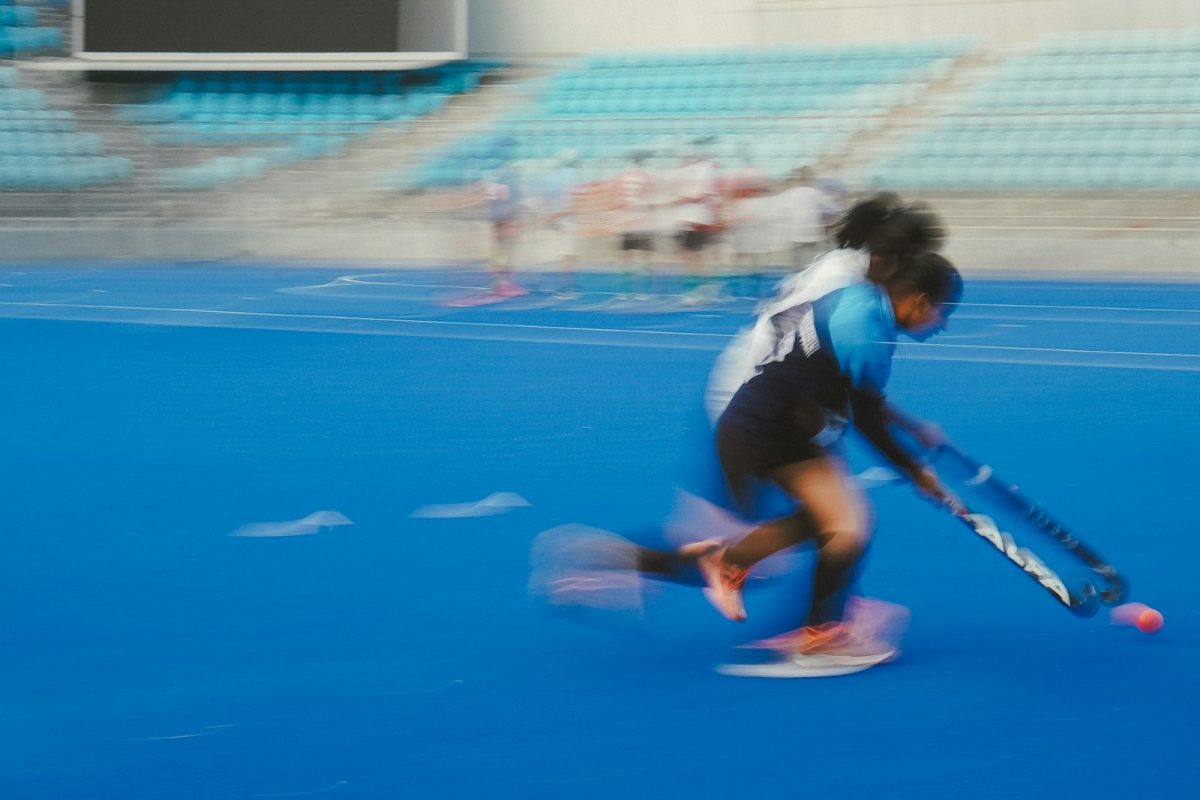
Hockey shoes: turf or indoor?
Long FG/SG studs are the wrong choice on turf – how a turf sole differs from a non-marking indoor sole, how to protect your feet and how to size shoes.
Field hockey in Poland – clubs, leagues and 100 years of PZHT
PZHT since 1926, first match in 1907, Wielkopolska as a key hub, turf leagues in summer, indoor hockey in winter – a guide to field hockey in Poland.
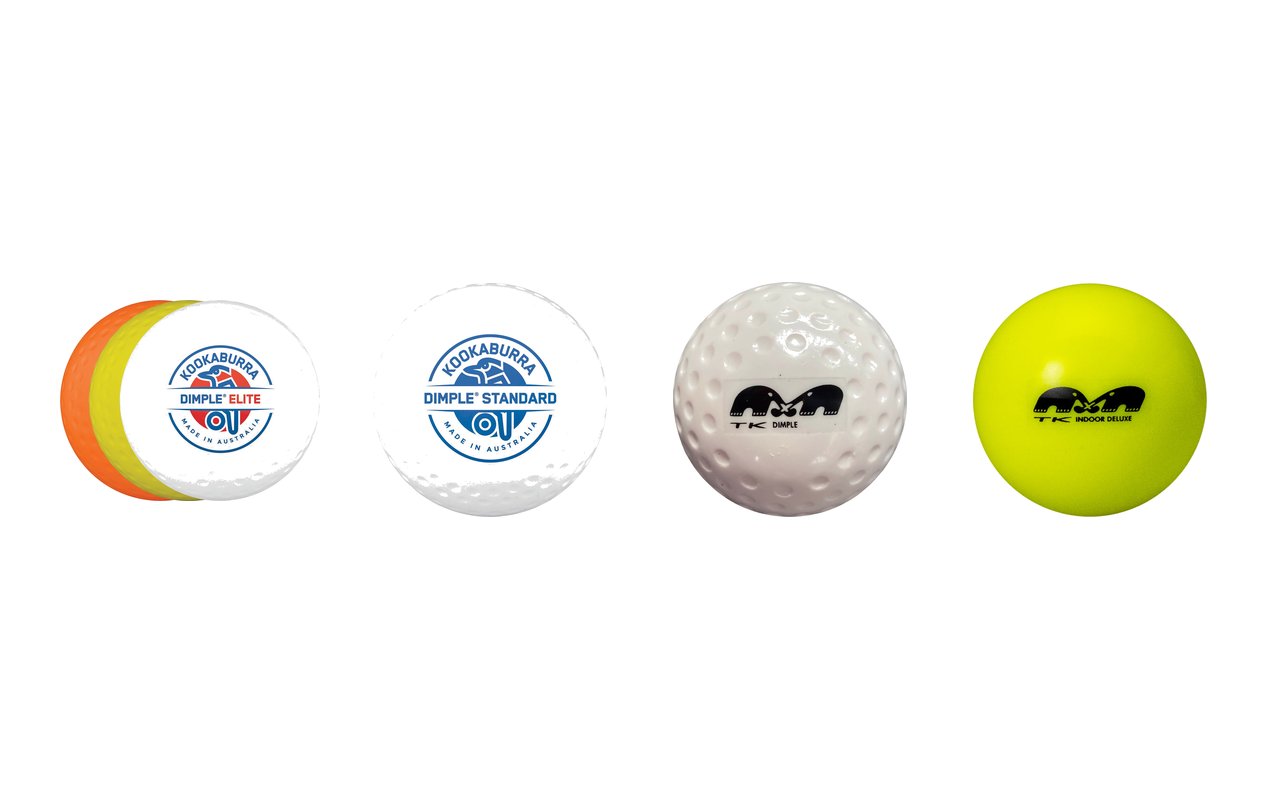
Field hockey balls – training or match?
A field hockey ball weighs 156–163 g. What the dimples are for, how match balls differ from training balls and which colour works on turf and indoors.
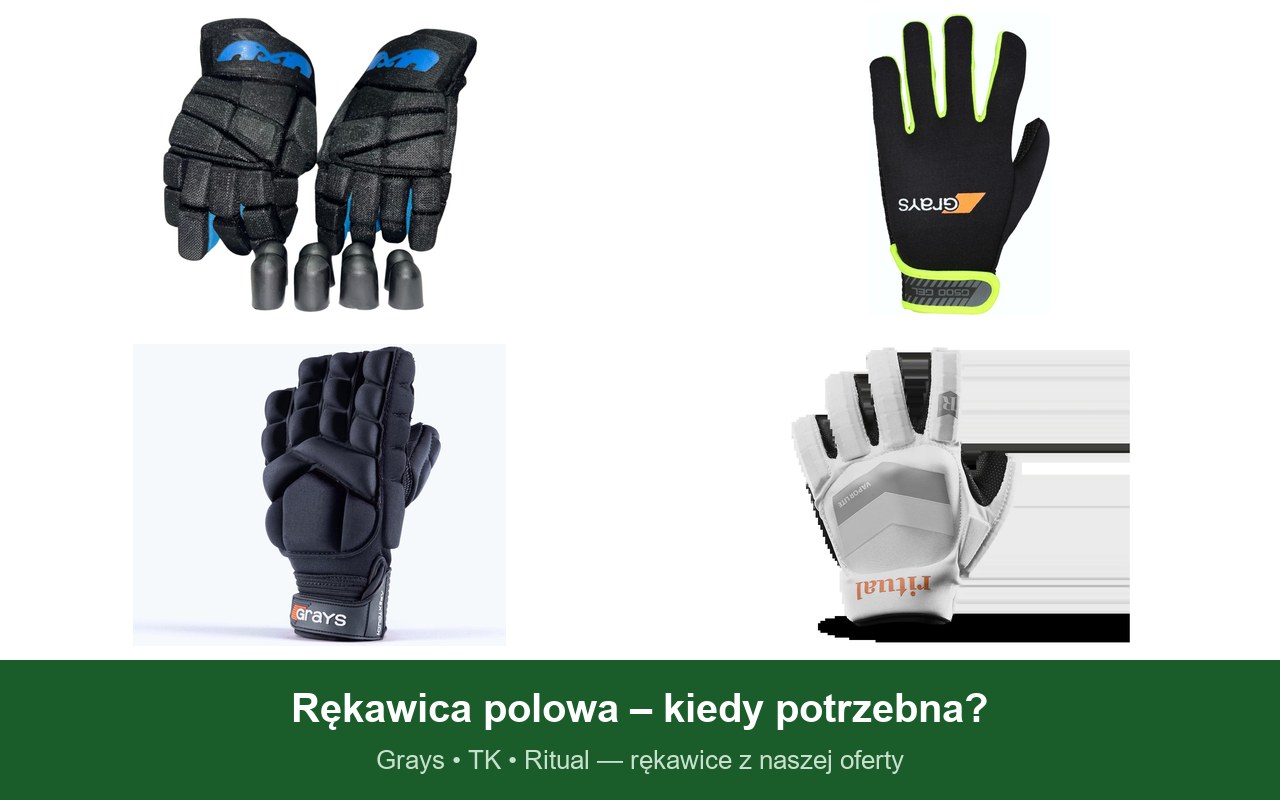
Field glove – when you need one and how to choose it
Your left hand works closest to the ball and the opponent's stick – when you need a field glove, how light differs from full protection and how to size it.
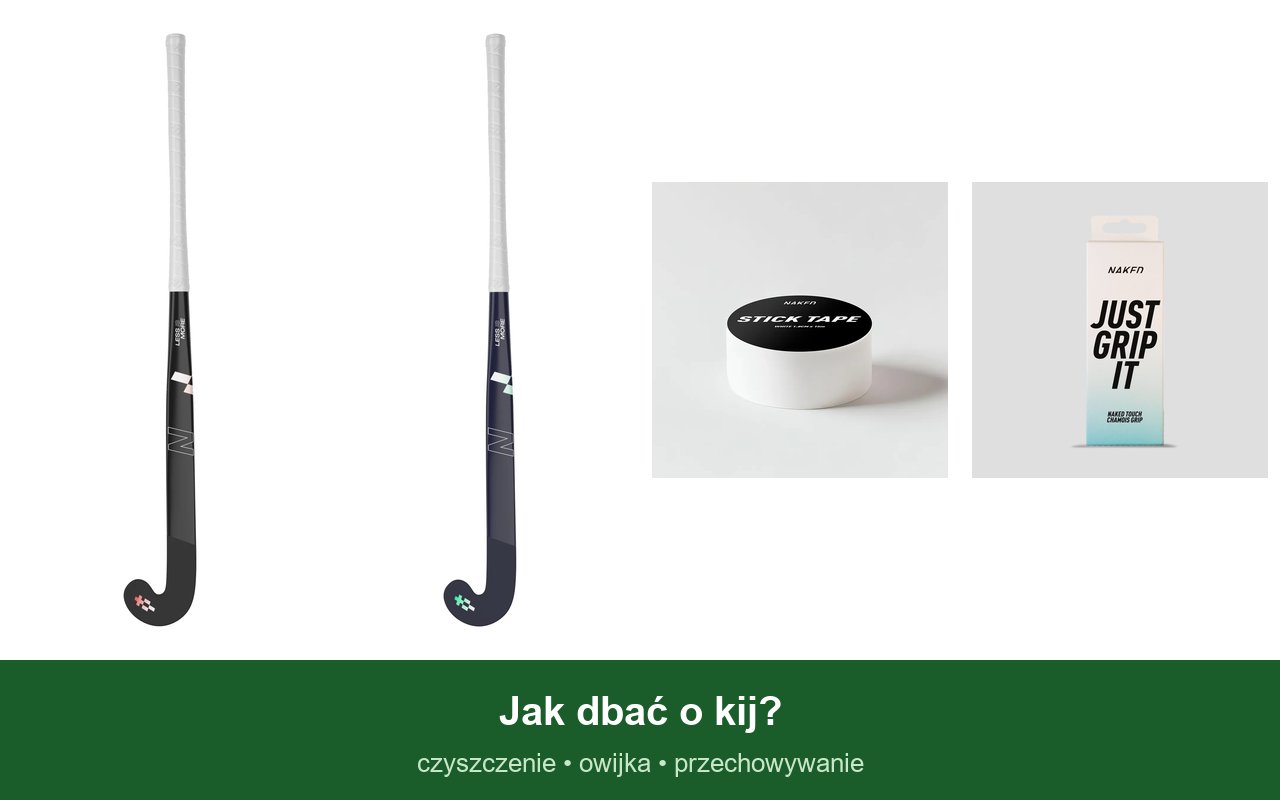
How to look after your stick – care and storage
How to clean your stick after training, when to replace the grip, how to store a composite stick and how to tell it is time for a new one.
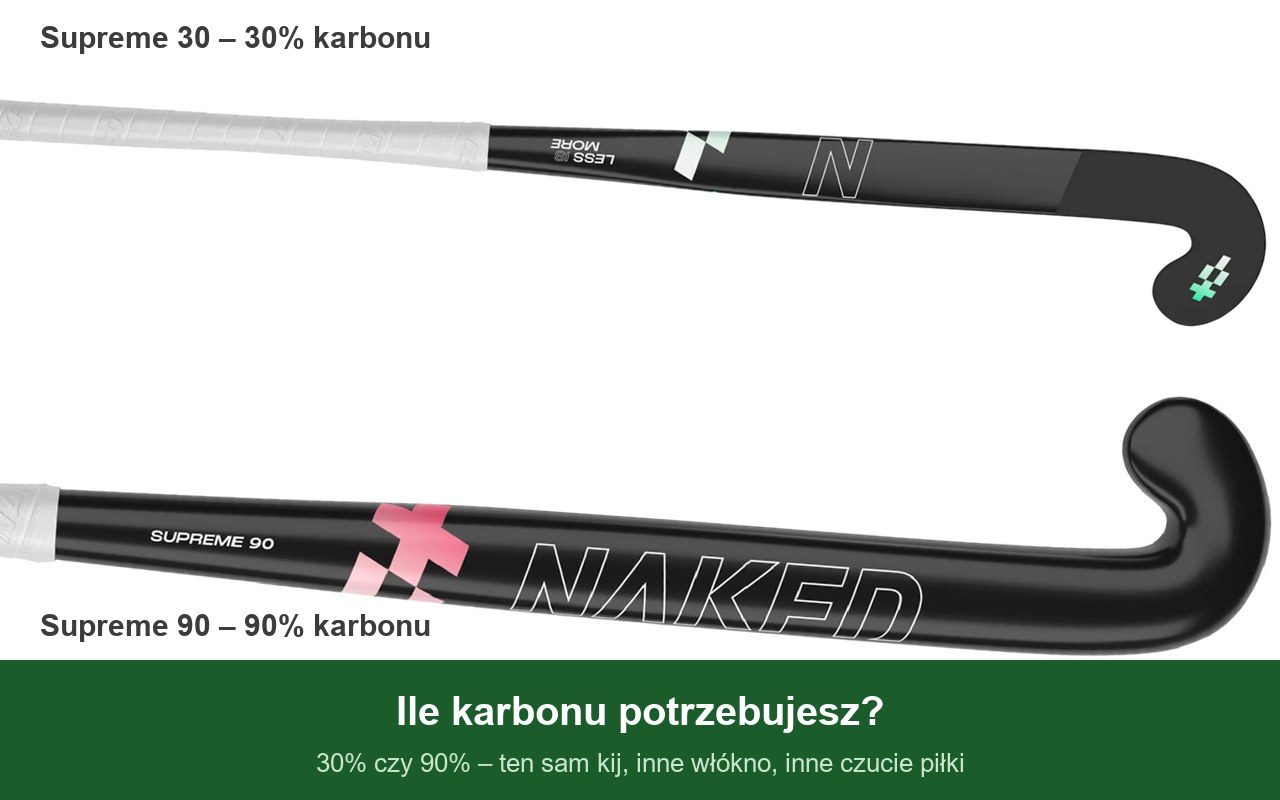
How much carbon do you need? Stick materials demystified
What carbon really does in a hockey stick, why the percentage alone does not tell the whole story and how to match the material to your level.
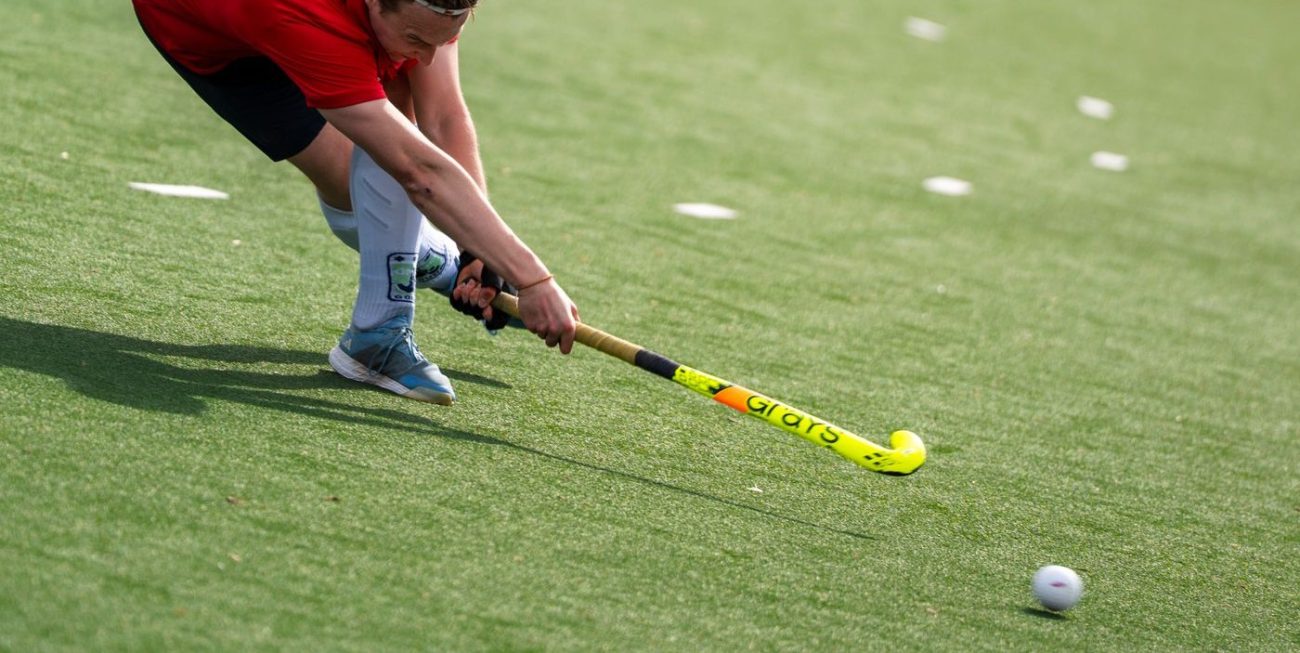
Stick bow: low, mid, standard – what it really means
Low, mid or extra low bow? We explain what the FIH rules say about stick bow, what is just manufacturers' naming and which profile suits your game.